The 'Robotising Ourselves' Dilemma: Why Kenya's Workforce Must Confront AI's Advance
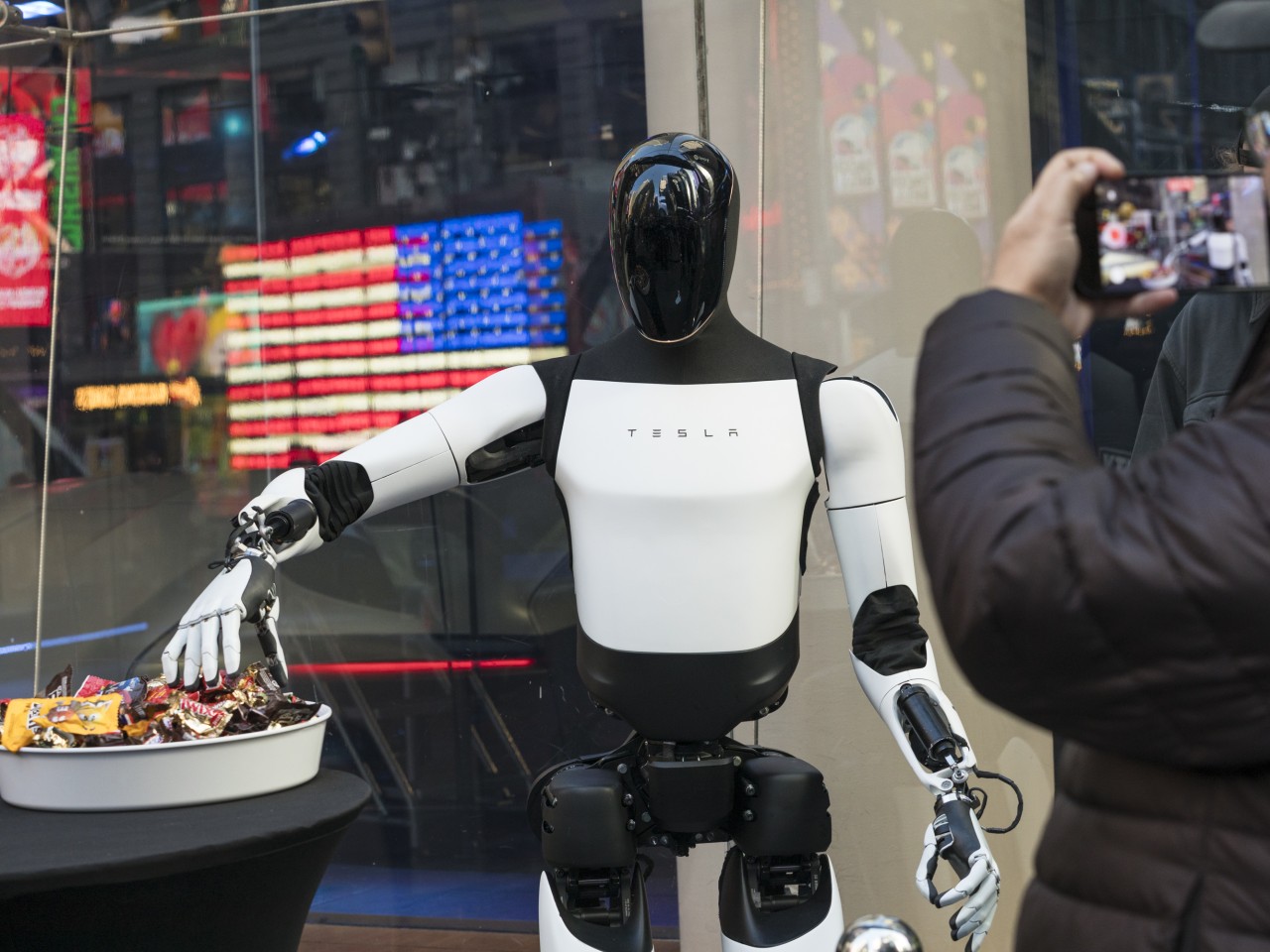
The recent rejection of D4YRL, a robot magician, by the venerable Magic Circle for being “insufficiently human,” offers more than a whimsical anecdote. It’s a sharp reminder that as artificial intelligence advances at breakneck speed, the very definition of human value in work is under intense scrutiny. This seemingly niche decision underscores a pressing global challenge: discerning where human qualities remain irreplaceable, even as the push for automation accelerates.
FT journalist Sarah O’Connor, in her insightful new book "We Are Not Machines: The Fight for the Future of Work," meticulously unpacks this dilemma. Her reporting reveals a disquieting trend where AI isn't just taking over tasks but potentially “robotising ourselves.” She documents Amazon employees under constant surveillance and the “invisible staff thousands of miles away in India and Costa Rica” engaged in the monotonous task of training AI systems by watching hours of video footage. This global network of human labour fueling AI's capabilities highlights a significant shift in the nature of work, far removed from traditional notions of skilled employment.
The implications are stark. Translators, like Petr, express a palpable loss of creative joy, reduced to correcting “mediocre AI-generated text for a fraction of the pay” in what is now termed machine translation post-editing. This isn't merely about job displacement; it’s about the erosion of creative engagement and the potential for a broader decline in human intellectual faculties as reliance on “technological shortcuts” grows. O'Connor’s research points to a future where we may be “reading, thinking and understanding less,” fundamentally altering human intelligence itself.

A critical insight from O’Connor’s work is the uneven distribution of AI’s impact. The “stark differences in the way technology is affecting people’s working lives” often hinge on their “bargaining power.” While billionaire tech advocates like Elon Musk may speak with “disarming certainty about the coming dominance of AI,” the lived reality for many workers is one of diminishing autonomy and economic leverage. The decision by policymakers, business leaders, workers, and consumers to say 'yes' or 'no' to certain technological applications, as O’Connor argues, is not just reasonable but imperative.
The Magic Circle’s choice, alongside O’Connor’s observation of a Dutch nurse providing elderly care with “humour and empathy that a robot carer couldn’t provide,” powerfully illustrates that certain human elements – emotional engagement, creativity, compassion – cannot be quantified or replicated by algorithms. These qualities remain fundamental to effective service delivery, particularly in contexts requiring genuine human connection. In Kenya, where a vibrant service economy thrives on personal interaction and skilled craftsmanship, this distinction is particularly pertinent.
While AI’s disruptive potential is undeniable, the call is not for Luddite resistance but for strategic discernment. The question, as O’Connor puts it, is not merely what a robot *can* technically perform, but what we *should* accept that it *should*. For local service marketplaces, such as SErraND | Plug Wa Kazi, the emphasis on connecting skilled human providers—be it a 'fundi' or a specialist—reinforces the irreplaceable value of human expertise, adaptability, and the inherent 'ubuntu' in direct service delivery. It underscores that for many forms of 'kazi', the human element remains the true plug.
Ultimately, the discussion is less about AI’s inevitability and more about conscious choice. As technology continues its relentless march, the onus is on societies, businesses, and individuals to define boundaries, protect human flourishing, and safeguard the very qualities that make us more than just machines.