The M53 5G's Digital Demise: A Glimpse into the Lifecycle of Mid-Range Smartphones
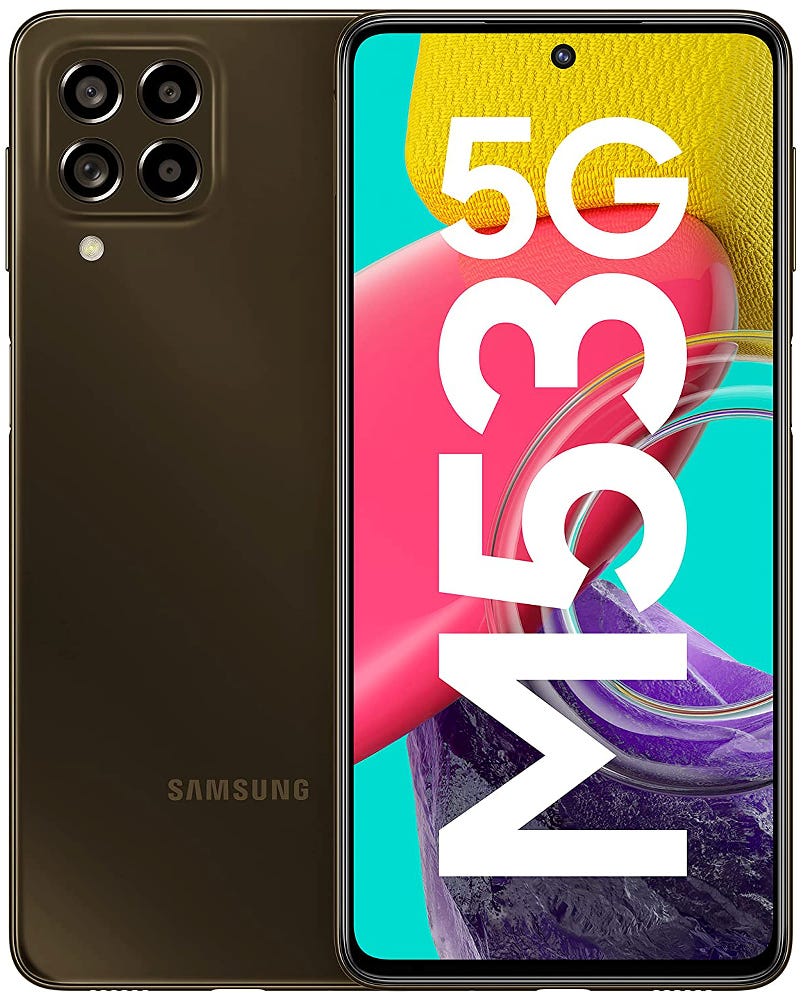
In the ceaseless churn of consumer electronics, a quiet but significant milestone was reached in June 2026: Samsung officially retired the Galaxy M53 5G from its software support roster. This move, which saw the device removed from the quarterly security update row, serves as a stark reminder of the finite lifespan of even relatively modern smartphones and the implicit trade-offs consumers make in the pursuit of affordability.
Specifically, the Galaxy M53 5G was the solitary device to lose software support in June 2026, according to Samsung’s monthly update chart. This exclusion means the device will no longer receive crucial security patches, an essential component of digital hygiene in an increasingly interconnected and threat-laden landscape. The last firmware issued for the M53 5G was M536BXXSFGZE2, incorporating the May 2026 security patch, released just days before its official sunset on May 28, 2026. Prior to this, the phone was grouped with later models like the M54 5G, M55 5G, M55S 5G, and M56 5G, a row that now notably begins with the M54 5G.

Launched in India on April 22, 2022, with sales commencing April 29, the Galaxy M53 5G initially promised two years of OS updates and four years of security support. Remarkably, the device exceeded its operating system upgrade commitment, receiving four major Android upgrades, culminating in One UI 8.0, which is based on Android 16. However, it was ultimately excluded from One UI 8.5, an Android 16 QPR2-based update that began rolling out on May 6, 2026, marking One UI 8.0 as its final feature version. This trajectory highlights an interesting dynamic: while the M53 5G over-delivered on OS updates, its security lifeline has now been cut precisely at the expected four-year mark.
The cessation of software support doesn't render the M53 5G immediately defunct. Core functionalities — calls, texts, Wi-Fi, camera, and installed applications — remain operational, as the hardware itself is unaffected. The critical implication, however, lies in the cessation of background security maintenance. This leaves devices increasingly vulnerable to new exploits and malware, turning a perfectly functional piece of hardware into a potential digital liability over time. For consumers, particularly those in the secondhand market considering a Galaxy M53 5G, this transition from supported device to security risk is paramount.
Samsung's June 2026 scope page further underscores its strategic approach to device longevity, delineating two primary update tiers: monthly for flagships and quarterly for mid-range and older flagships. Notably, the biannual tier, which previously served the oldest budget devices, has been discontinued in 2026. This consolidation suggests a streamlined, albeit potentially stricter, lifecycle management policy, pushing older or less premium devices out of the security update cycle more decisively. The M53 5G's journey, exceeding OS updates but precisely hitting its security support wall, offers a practical case study in the evolving economics of smartphone ownership: the hardware endures, but the vital software guardianship often has a fixed expiry date, forcing a difficult calculus for users balancing cost, utility, and digital safety.