The $111 Billion Media Juggernaut: US Approves, Global Scrutiny Intensifies
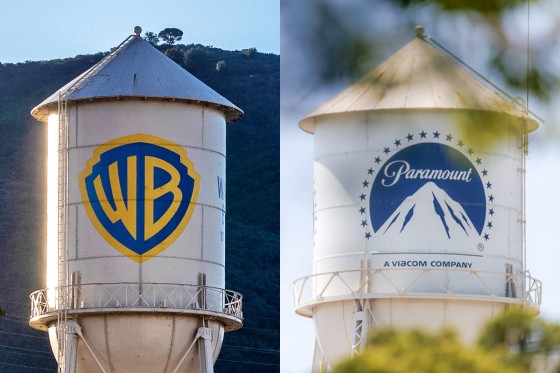
The US Department of Justice has given its nod to the colossal $111 billion merger between Paramount Skydance, controlled by the Ellison family, and Warner Bros Discovery, the parent company of networks like CNN and HBO. This approval, coming after months of review by the anti-trust division, marks a significant milestone for the deal despite widespread concerns within the entertainment and media industries regarding potential harm to competition.
On Friday evening, the justice department declared that its analysis concluded the transaction is “not likely to result in harm to competition or American consumers” across streaming video on demand (SVOD), linear television, and film production and distribution. This decision, under Donald Trump’s administration, explicitly clears the path on US soil, positioning the combined entity to potentially redefine the media landscape in the American market.

However, the narrative shifts dramatically beyond US borders. Earlier this week, the UK’s Competition and Markets Authority (CMA) initiated its own investigation, questioning whether the merger would lead to a “substantial lessening of competition” in the UK. The CMA has set a 7 August deadline for its initial review, signaling a more cautious and potentially rigorous approach from European regulators. Similarly, European authorities are probing the financial backing of the merger, specifically scrutinizing the combined $24 billion commitment from three Gulf sovereign-wealth funds, with their own deadlines set for July.
While Australia has joined the US in approving the deal, finding it “unlikely to have the effect of substantially lessening competition in relation to the wholesale supply of films for theatrical release,” the international regulatory mosaic highlights a fragmented global perspective on market consolidation. Paramount, in its statement, maintained that the deal is “pro-competitive,” arguing it creates a “stronger company better positioned to compete against dominant technology platforms.” This stance pits the pursuit of scale and synergy against concerns about market diversity and consumer choice.
The promised $6 billion in synergies from the merger, while attractive to shareholders, casts a long shadow over employees. Journalists at CBS News and CNN have voiced concerns over the potential merger of their networks, anticipating significant job cuts. This underscores the inherent tension in such mega-deals: financial optimization for investors often comes at the direct cost of employment and, potentially, editorial independence, especially when merging news operations like CBS News and CNN under a single corporate umbrella.
The disparate regulatory outcomes — a swift green light from the US Department of Justice contrasted with active, multi-pronged investigations in the UK and Europe — illuminate the complex and often conflicting global approaches to antitrust enforcement in an era of rapid media consolidation. The involvement of substantial sovereign wealth fund capital further complicates the picture, adding a geopolitical dimension to what might otherwise appear as a purely commercial consolidation play in the global entertainment sector.