Meru's Enduring Pace: How Senior Runners Are Rewriting Kenya's Athletic Narrative
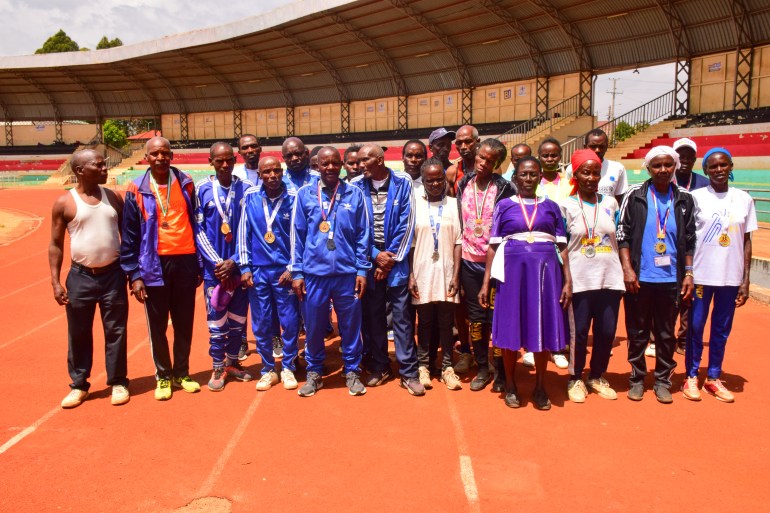
In Kenya’s central highlands, specifically Meru County, the conventional narrative of athletic prowess, often dominated by the youthful feats of global icons like Eliud Kipchoge and Faith Kipyegon, is quietly being challenged. Here, on the red-earthed roads of Mikumbune village, 314 kilometres from Nairobi, individuals like Wanjiru Kamau defy expectations, heading out for five-kilometre runs three times a week, a routine she embraced in 2017 despite initial societal amusement.
Kamau is one of 80 members of the Meru chapter of Masters Athletics Kenya, a self-funded club for athletes aged between 60 and 100. Founded in 2015 by Stephen Michubu Linguya, a married father of two from Muriri in Tigania East, the group emerged from a stark observation: neighbours aging poorly, succumbing to chronic illnesses like high blood pressure and diabetes, often exacerbated by sedentary lifestyles and, in some cases, alcohol. Linguya’s vision was explicit: to inspire younger generations by demonstrating that a vibrant, active life is not exclusive to youth. The group's commitment is tangible; members, none of whom are employed, pay their own transport fares, sometimes travelling 10 to 50 kilometres from home to train, walking when necessary.
This grassroots movement offers several compelling insights into Kenya's broader athletic and social fabric. Firstly, it directly confronts the prevailing image of Kenya's athletic excellence as solely a youthful pursuit. While the nation rightly celebrates its young champions, the Meru Masters prove that sustained engagement with sport offers profound benefits across the lifespan. James Mworia, 73, from Uruku, underscores this by having travelled to Tunisia in 2019 to compete in the African Masters Athletics competition, returning with two silver medals – a remarkable achievement for someone funding his own way from a Meru village.
Secondly, the self-funded nature of this club highlights a critical, often overlooked, aspect of community-led health solutions. In a context where chronic illnesses are a predictable consequence of an inactive later life, and their treatment is neither cheap nor easy, these senior athletes are making a proactive, personal investment in their well-being. Wanjiru Kamau’s testimony of normal blood pressure and absence of muscle spasms since joining is a testament to the tangible health dividends, potentially mitigating future public health burdens through self-organizing social capital.
Finally, Meru County, already increasingly associated with world-class athletic achievement, gains a unique, profound layer of distinction through this group. It signals a depth of athletic culture that permeates all age groups, moving beyond the high-performance pinnacle to embrace a more inclusive definition of “running excellence.” The initial “laughter” that greeted members like Wanjiru Kamau underscores a societal perception that is gradually being overturned by the group's sustained discipline and visible health improvements, providing a powerful counter-narrative of vitality and agency.
This phenomenon in Meru is not merely a heartwarming anecdote; it’s a quiet, yet potent, statement on resilience and self-determination. It signals a deep-rooted cultural affinity for running that transcends age and professional ambition, offering an alternative model for healthy aging within Kenyan communities. The Meru Masters Athletics Kenya doesn’t just add to Kenya's celebrated running legacy; it expands its definition, affirming that the pursuit of personal bests, community, and well-being is a timeless endeavour.